
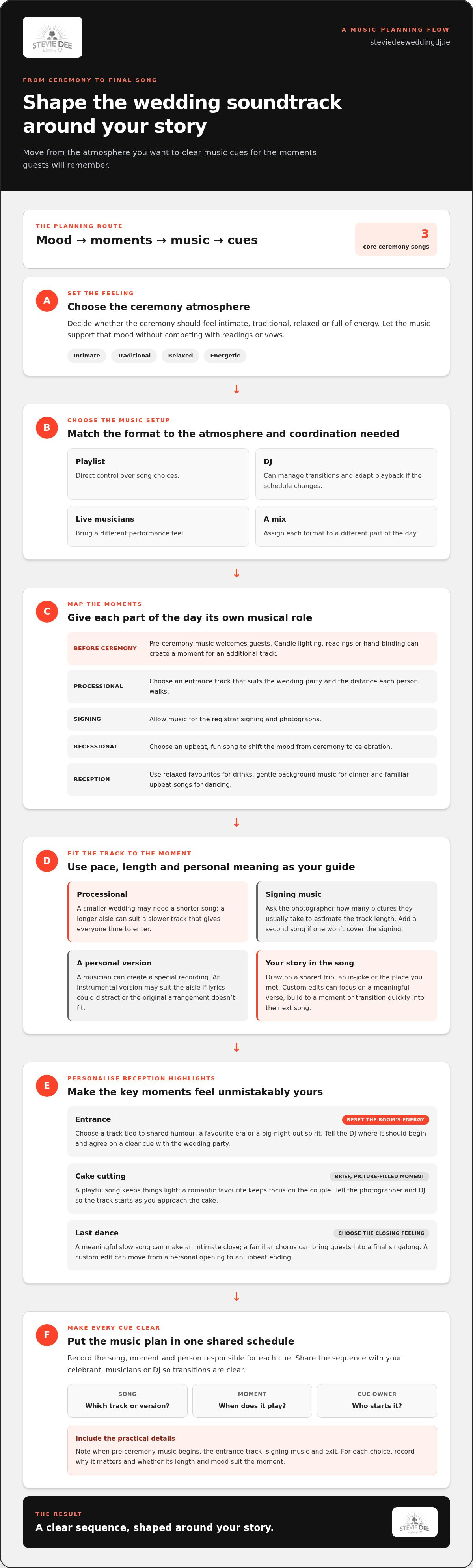
How to personalize your wedding music for every moment
Personalising your wedding music means choosing songs for the moments that matter, then shaping them around your story and the atmosphere you want. A venue or hotel ceremony may include three key songs: a processional, music during the signing of the registrar and a recessional. If you’re wondering how to personalize your wedding music beyond the ceremony, give special attention to entrances, the cake cutting and the last dance, too.
Your favourites can make the day feel unmistakably yours, while familiar songs help guests join in and keep the celebration moving. The sweet spot is a playlist that balances both. This guide shows you how to choose music for each ceremony moment, create a memorable entrance, blend personal picks with crowd-friendly favourites and select songs that reflect your relationship. From a meaningful aisle song to a final track that sends everyone home smiling, every choice can help tell your story.
Table of Contents
1. Choosing music to set the ceremony mood
Start by deciding how you want the ceremony to feel: intimate, traditional, relaxed or full of energy. Then choose ceremony music that supports that mood without competing with important moments, such as a reading or your vows. A beautiful song can be meaningful and practical at once, especially when its tempo suits the pace of the entrance.
Choose between a live band, DJ, playlist or a mix by considering the atmosphere you want and how much coordination each moment needs. A playlist offers direct control over song choices, while a DJ can manage transitions and adapt playback as the schedule changes; live musicians create a different performance feel, and a mix can assign each format to a different part of the day.
Choose tracks to suit the mood and activity of each moment: a processional and recessional for the ceremony, relaxed favourites for drinks, gentle background music for dinner, and familiar, upbeat songs for dancing.
Build the ceremony sequence around the people and moments involved. A venue or hotel ceremony may include three songs: a processional, music during the signing of the registrar and a recessional. Pre-ceremony music can welcome guests, while candle lighting, readings or hand-binding rituals can create natural moments for an additional track.
Match the processional to the size of the wedding party and the distance each person must walk. A smaller wedding may need a shorter song, while a longer aisle can suit a slower track that gives everyone time to enter. For the recessional, choose an upbeat, fun song to shift the mood from ceremony to celebration.
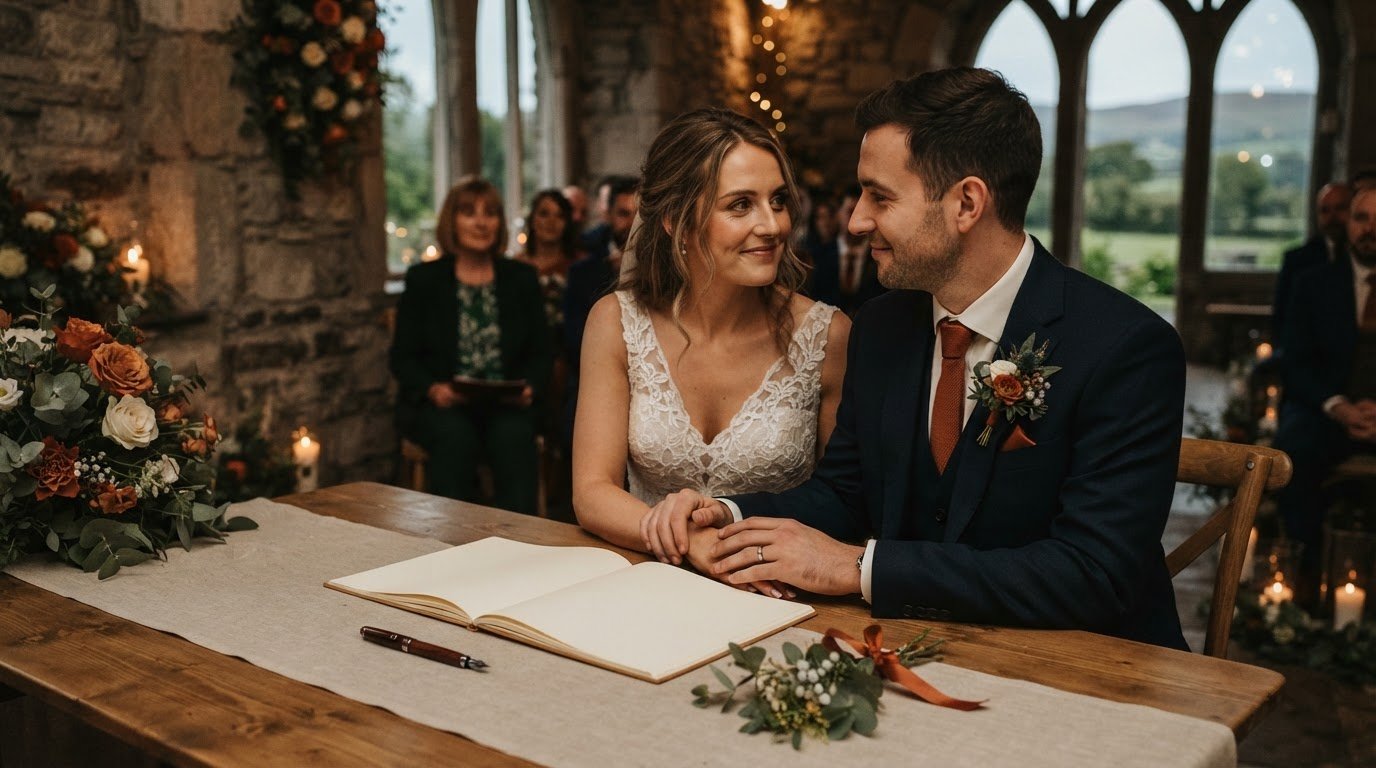
Plan the signing music around the photographer’s work. Choose a song long enough for the signing and photographs, then ask your photographer how many pictures they usually take during this moment. That gives you a practical estimate of the track length. If one song won’t cover the signing, add a second rather than letting the music stop early.
A custom recording can make a familiar song feel more personal. A musician can create a special recording of a song you choose, shaped by your ideas. Consider an instrumental version for the aisle, particularly if lyrics might distract from the ceremony or the original arrangement doesn’t suit the moment.
Make a simple cue sheet with the song, moment and person responsible for each cue. Include when pre-ceremony music begins, which track marks the entrance, and what plays during the signing and exit. Share the sequence with your celebrant, musicians or DJ so each transition is clear. For each choice, note why it matters to you and whether its length and mood suit the moment.
2. Personalising entrances, cake cutting and the last dance
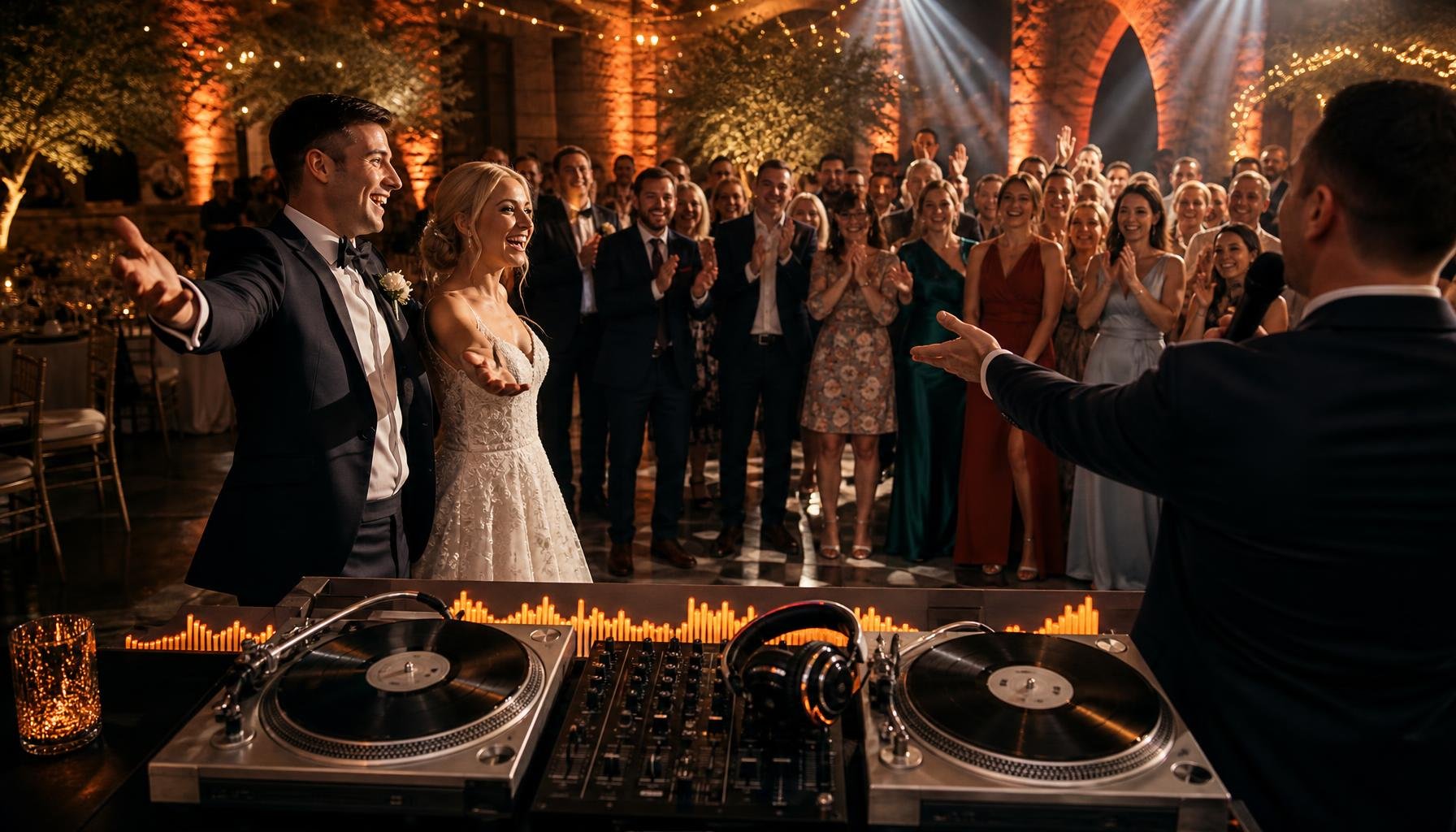
A reception entrance can reset the room’s energy after the ceremony and dinner. Choose a track that captures your shared humour, favourite era or big-night-out spirit. For example, a couple who bonded over a particular artist could enter to that artist’s most recognisable chorus. Tell the DJ where the track should begin, and agree on a clear cue with your wedding party.
A custom song can make an aisle walk or first dance feel even more personal. It doesn’t have to be reserved for the first dance: a song written around your relationship could also accompany your entrance or wedding exit. Choose a few meaningful details, such as a memorable trip, an in-joke or the place you met. These can turn a custom recording into a keepsake and help create lasting memories.
For a first dance, think about the version as well as the song. A custom edit can shorten a long track, focus on a meaningful verse or build towards a particular moment. Custom remixes and alternate versions can also suit an entrance or exit. Decide whether you want a quiet opening, a dramatic lift or a quick transition into the next song, then share your direction when planning the edit.
The cake cutting is a brief, picture-filled moment, so choose music that gives it a distinct character. A playful song can keep things light; a romantic favourite can keep the focus on the two of you. Tell your photographer and DJ which cue you’ve chosen, so the track starts as you approach the cake, not after the photographs begin.
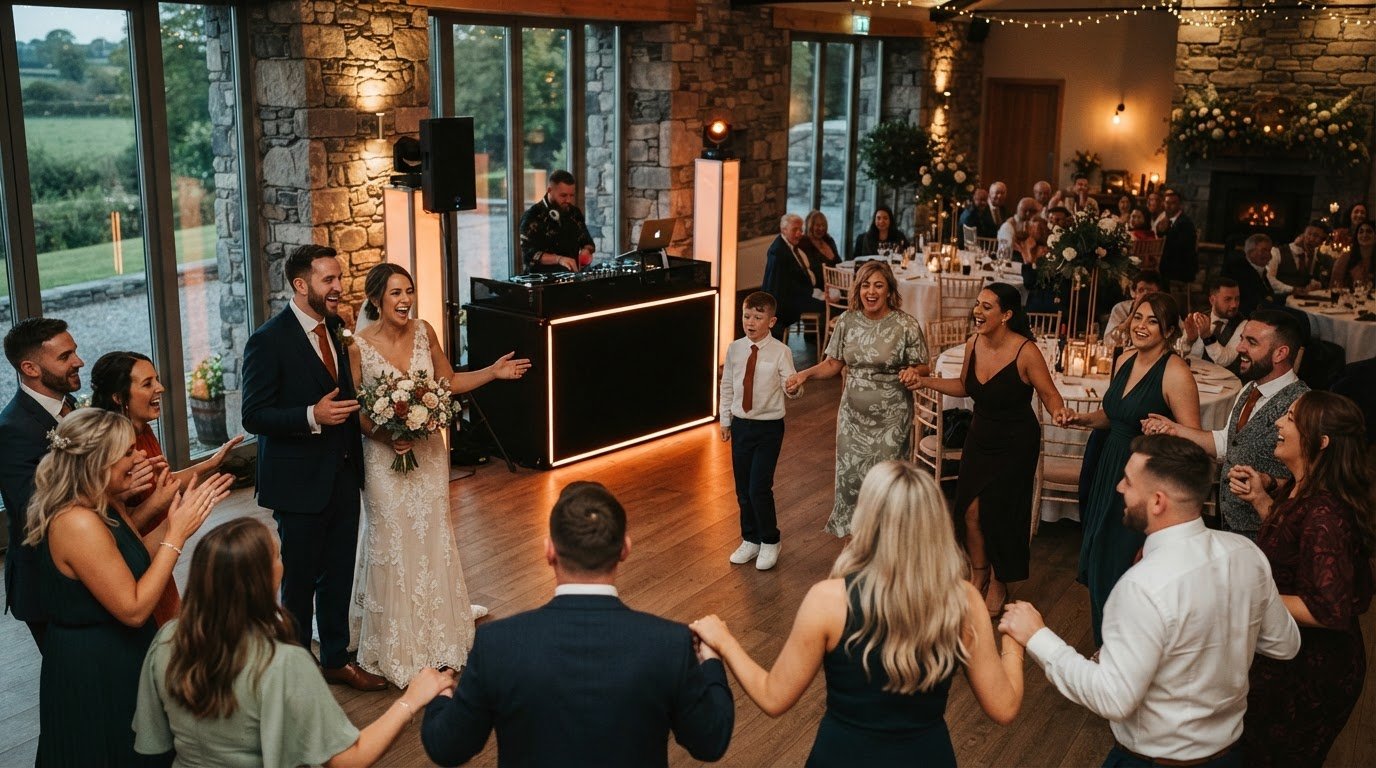
For the last dance, decide whether you want an intimate close or a full-room singalong. A meaningful slow song can draw attention to the couple, while a familiar chorus can bring guests together for one final celebration. If you want both, use a custom edit that moves from a personal opening into a more upbeat ending.
A choreographed reception dance can feel polished without becoming a marathon performance. Choose a song you both enjoy, then practise a few repeatable moves that feel comfortable in your clothes and venue. A simple opening turn, shared step and final pose can make the dance feel planned while leaving room for genuine reactions. Ask the DJ to cue your chosen version, so your entrance and first move land with the music.
In Ireland, wedding band and DJ costs depend on the act, date, location, performance length and production needs; the price is case-dependent and provided after a quote request.
Before the day, put each reception moment, track version and cue in one shared schedule. That gives your DJ a clear running order and connects the entrance, cake cutting and final dance to the celebration you’ve planned.
3. Balancing personal favourites with familiar songs
Your playlist should sound like you, while giving guests ways to join the celebration. Start with personal favourites for moments when attention is focused on you, such as the ceremony or first dance. Then include familiar, inviting songs during the reception, when guests may be ready to sing along or dance. This balance keeps the music personal without relying on everyone knowing your deepest-cut favourites.
Sort your ideas into three clear groups: must-play, play-if-possible and do-not-play. Put the songs that tell your story in the first group, and tracks you enjoy but don’t need to hear in the second. The do-not-play list helps avoid songs with unwanted associations or that clash with the atmosphere you’re planning. Share the lists with your DJ, so your preferences guide the playlist without locking every moment into a rigid order.
A special song doesn’t need to be played in its original style. An instrumental guitar version can bring a personal favourite into the ceremony while keeping lyrics from distracting during the vows or a reading. Instrumental versions are a popular ceremony choice because they can preserve a song’s melody and emotional connection while better suiting a quieter moment. Think about whether the tune alone will be recognisable to you, even if guests don’t identify it.
If the original arrangement feels too intense, too long or unsuitable for the moment, ask a wedding musician to rearrange it or perform only a section. For example, a song with a slow opening and a louder chorus might work as an instrumental if the performance focuses on its gentler passage. A distinctive guitar line can also keep the song’s identity clear without reproducing every vocal or production detail.
Use the setting to decide how personal or familiar each track should be. A meaningful song can suit a quieter part of the day, while a well-known chorus may be stronger when you want guests to participate. Cocktail hour can make room for songs you love that aren’t natural dance-floor picks. Later, familiar tracks can help bring different generations together without taking over the playlist. To personalize your wedding music, give each track a clear role.
Before finalising your choices, listen to each song from the intended start point. Note the section you want, the mood it creates and whether its lyrics suit the moment. If a track’s full length or arrangement doesn’t fit, ask your DJ about a shorter edit or alternate version. To decide how to personalize your wedding music, consider what you want guests to feel and do as each song plays. This simple review helps personal favourites and crowd-friendly songs work as one thoughtful soundtrack.
4. Choosing music that reflects the couple’s story
Choose songs for the memories they bring back, not only for their current popularity. A track from your first date, a favourite road trip or a family celebration can make the day feel unmistakably yours. Write down the moments you want to remember, then match each one with a song that holds a real connection. That gives every choice a reason beyond being a familiar hit.
Trends can offer inspiration, but they shouldn’t decide your wedding soundtrack. A current chart song may fit your style, yet a song you’ve loved for years may carry more meaning. Ask yourselves what you’ll still enjoy hearing in the years ahead. If a popular track connects to a shared memory, keep it; if not, choose a song that feels true to your relationship.
Irish, cultural, religious and family traditions can sit alongside contemporary favourites. Choose a meaningful hymn, traditional tune or family song, then place it in a moment where its significance is clear. Talk with relatives about the music they associate with important gatherings, and decide together which choices feel right for your ceremony and celebration.
A custom song can put your history into words. Note a few details, such as how you met, a phrase you often say or a place you return to together. Rewritten lyrics can turn those details into a personal song, rather than a generic declaration of love. You could also give your partner a custom recording as a surprise, making the music a keepsake beyond the wedding day.
For ceremony choices, focus on songs that feel meaningful to you as a couple, or simply songs you enjoy. Consider whether the lyrics support the moment and whether the melody creates the atmosphere you want. A song doesn’t need to be solemn to feel significant. The right choice might be a personal favourite that makes you smile as you walk in.
Give the recessional a different energy. An upbeat, fun song can mark the shift from ceremony to celebration and invite guests into the next part of the day. Choose a track with a lively opening or joyful chorus, so the first notes signal that the formal moment has ended. A familiar song can make that transition feel shared, while a personal favourite keeps it distinctly yours.
Try this simple test for each song: name the memory, feeling or person it represents. If you can explain why it belongs, it helps tell your story. Keep those notes beside your music plan, so family traditions, personal favourites and joyful choices form a soundtrack you’ll remember.
5. Custom wedding entrance music
A custom entrance can turn a familiar song into a moment that belongs to your relationship. Pick a track with a meaningful lyric, melody or memory, then decide how you want guests to experience it. A gentle opening can build anticipation; a bold chorus can make the entrance feel celebratory from the first step.
Start with the moment itself. Is the entrance for the couple, wedding party or both? Decide who walks first, where the music begins and whether everyone enters to the same track. For example, one song could introduce the wedding party, followed by a custom edit for the couple’s arrival. Share the cues and walking order in a simple running sheet.
Shape the song around the entrance rather than forcing the moment to fit the full recording. A custom edit can focus on a particular verse, shorten an instrumental opening or bring the chorus forward. If the lyrics matter, choose a section that carries their meaning clearly. If the melody is the personal connection, an instrumental version can keep that feeling while giving the entrance a different sound.
Tempo matters, too. A slower track can encourage a relaxed walk, while a lively opening creates a more energetic entrance. Picture the distance from the doorway to the front of the room, then match the musical build to that walk. Rehearse the cue with the wedding party if the entrance includes a coordinated reveal, a pause or a change in formation.
Custom doesn’t have to mean writing a new song. A custom recording of a chosen track can work for an aisle walk, entrance or keepsake after the wedding. You can contribute ideas, such as the section to feature or the mood you want the recording to carry. This approach works especially well when the original version feels too long or its arrangement doesn’t suit the setting.
For Irish weddings, copyright and music permissions depend on how the music is used and the venue’s arrangements. Treat permissions as a planning detail, especially for recorded tracks, custom edits and recordings used beyond the event.
Arrange sound equipment around the venue and each planned cue. Consider suitable speakers, microphones for spoken introductions and a sound setup that covers the entrance area without overpowering conversation. For a custom entrance, give the person managing playback the exact track version, start point and cue.
Book musicians or a DJ once your date and venue plans are taking shape. Ask about custom edits, cue coordination, sound equipment, microphones and how entrance music fits the schedule. A wedding DJ for your celebration can help connect your entrance choice with the wider reception soundtrack.
Stevie Dee Wedding DJ: Full Night Wedding DJ
Stevie Dee Wedding DJ’s Full Night Wedding DJ service can bring your ceremony and reception music choices together in one considered plan. It’s a natural fit when you want custom entrance cues, personal favourites and guest-friendly dancing to flow across the evening.
Share your must-play songs, do-not-play choices, meaningful moments and any custom edits with Stevie Dee Wedding DJ. A clear running order helps connect the entrance, cake cutting, first dance and final song, while leaving room for the DJ to respond to the atmosphere. Add Professional MC Service if you want announcements coordinated alongside the music. Couples planning a destination celebration can also choose the Destination Wedding DJ service.
For music and hosting tailored to your wedding, contact Stevie Dee Wedding DJ or visit steviedeeweddingdj.ie.
Make your soundtrack part of the story
The choices you make now can become part of how you remember the day: a song that brings back a shared adventure, a lyric that feels like yours, or an entrance that makes the room light up. Personalising your wedding music starts with one simple question: what do you want to feel when each song begins?
From there, share your priorities and the moments that matter with the person coordinating your entertainment. Stevie Dee Wedding DJ offers a Full Night Wedding DJ, Destination Wedding DJ and Wedding Celebrant Service, with options for different wedding plans and celebrations.
If you’re ready to shape those ideas into a soundtrack for your day, contact Stevie Dee Wedding DJ. Your story deserves music that feels like you, and planning it can be an exciting part of the celebration.
Frequently Asked Questions
How do you choose wedding music that reflects your personalities and relationship?
Choose songs by comparing what each of you enjoys and finding the overlap that feels genuinely shared. Each partner can bring a short shortlist, then explain what makes each choice meaningful. Look for common threads, such as a shared sense of humour, favourite musical era or love of a particular sound. If your tastes differ, let each person choose a key moment, then agree on songs that suit the celebration as a whole.
How do you personalise wedding music for the processional, signing and recessional?
Give each transition its own clear musical cue. In your ceremony notes, write the track title, version, starting point and the moment it should begin. Share the same notes with the person leading the ceremony and whoever is handling playback. For example, specify whether the signing track starts as soon as you sit down or after a brief announcement. Clear cues help avoid last-minute uncertainty.
What are popular first dance songs and alternatives to a traditional first dance?
There isn’t one first-dance song that suits every couple; choose a track you both enjoy and can move to comfortably. If a spotlighted dance feels too formal, invite your wedding party to join partway through, or start with a short couple’s dance before opening the floor to guests. You could also dedicate a song to each other and move straight into a group dance, keeping the moment warm without making it a performance.
How can you gather guest song requests and plan a do-not-play list?
Invite requests through an RSVP form or a note on your wedding website, and ask guests to include their names with each suggestion. Review the choices together before sharing them with your DJ. Keep songs you both want to hear separate from guest suggestions, and list any tracks you want excluded, including songs linked to awkward memories or lyrics that don’t suit your celebration. Your DJ welcomes requests and can incorporate them when appropriate, using your guidance while responding to the dance floor.
Comments