
4 Ways to Avoid Wedding Planning Stress and Set Priorities
You can’t remove every pressure point from wedding planning, but you can stop it from taking over. Choose one to three priorities for the day, shape your budget around them, and break the remaining decisions into manageable steps.
It’s understandable if the guest list, costs, family opinions and endless choices feel overwhelming. Learning how to avoid wedding planning stress isn’t about making every detail perfect or pretending nothing will go wrong. It’s about knowing what matters most, sharing decisions and protecting time to enjoy your engagement together.
This guide explains which pressures are hard to avoid, how to set priorities without losing sight of your budget, and how to communicate clearly and kindly with family. You’ll also find practical ways to share tasks, take breaks and keep the celebration centred on what it means to you both.
Table of Contents
1. Is it even possible to avoid being stressed while planning a wedding?
It may not be possible to remove every pressure point, but you can make planning more manageable. A 2023 Zola survey of more than 4,000 engaged couples found that 52 per cent described wedding planning as stressful, while 59 per cent called it overwhelming. Only six per cent said they felt no stress. Those findings show that stress can be a normal response, not proof that you’re planning badly.
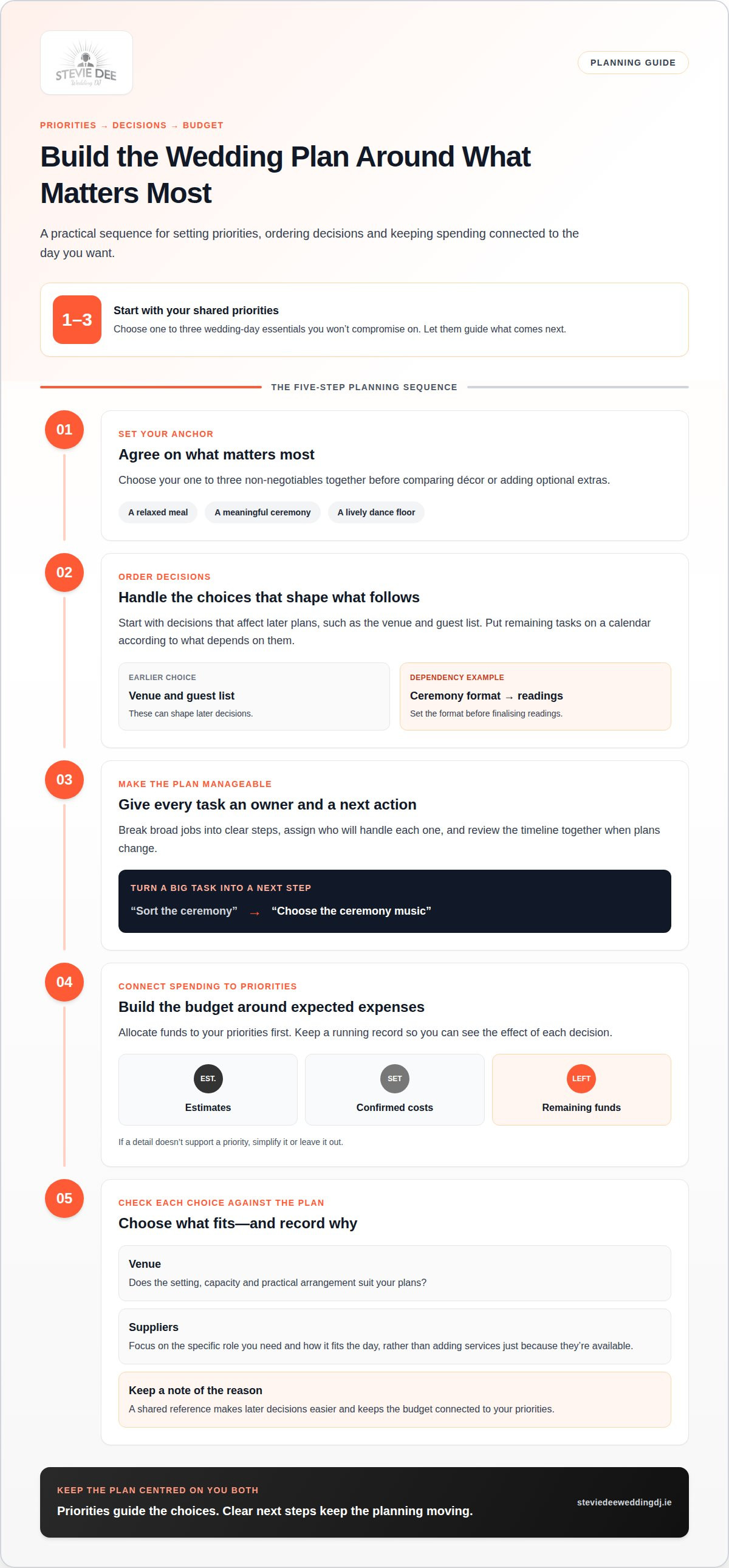
Learning how to avoid wedding planning stress starts with giving every job a clear next step. Replace “sort the ceremony” with “choose the ceremony music” or “write questions for the celebrant”. Put each task on one shared list, then mark what needs attention now and what can wait. Smaller steps make progress visible and stop one big decision from taking over your evening.
Share the list with your partner and agree who will handle each task. One person might organise guest addresses while the other gathers menu preferences, then you can set a time to compare notes. Keep the division fair by discussing how demanding each task feels instead of splitting them blindly. Regular check-ins can catch missed details before they become last-minute pressure.
If you’re asking how to avoid wedding planning stress, make specific requests for help. A trusted friend could collect ceremony readings, while a family member tracks replies. Delegate tasks that don’t need your personal input, but keep meaningful choices between you. If planning affects your sleep, concentration, usual interests or relationships, talk with someone you trust. A mental health professional can offer strategies for managing stress. Breaks matter too: pause the spreadsheet for dinner together, then return with a clearer head. That reset won’t remove every unknown, but it can help you approach the next decision calmly.
2. Prioritizing wedding-day essentials and budget
Choose one to three wedding-day priorities you won’t compromise on, then let them guide the rest. Your essentials might be a relaxed meal, a meaningful ceremony or a lively dance floor. Agree on these together before comparing décor ideas or adding optional extras. An honest conversation about what matters most helps prevent appealing details from quietly becoming expectations.
To prioritise tasks and set a timeline, start with decisions that shape later choices, such as the venue and guest list. Add each remaining task to a calendar based on what depends on it. For example, settle the ceremony format before finalising readings. Give every task a clear owner and next action, then review the timeline together when plans change.
Build your budget around expected expenses, allocating funds to your priorities first. Keep a running record of estimates, confirmed costs and remaining funds so you can see the impact of each new decision. If a detail doesn’t support a priority, simplify it or leave it out. This makes it easier to resist pressure for perfection while protecting the parts of the day you care about.
Venue and supplier decisions feel less overwhelming when you use the same short set of priorities for each one. For a venue, consider whether its setting, capacity and practical arrangements suit your plans. For suppliers, focus on the specific role you need filled and how it fits the day, rather than adding services simply because they’re available. You can also shape the wedding-day atmosphere around the experience you want, such as a calm ceremony or a lively reception. Record the reason behind each choice; that shared reference makes later decisions easier and keeps your budget connected to your priorities.
3. Communicating with family and in-laws
Wedding opinions often come from love, tradition or excitement, but the couple makes the final decisions. Listen for the perspective behind a suggestion before responding. A parent asking to invite more guests may be hoping to include relatives who matter to them. You can acknowledge that wish without promising to change the guest list.
Agree on boundaries together before discussing sensitive choices with family. Decide which matters are non-negotiable, such as the ceremony format, and where you’re open to compromise, such as menu options. Then communicate the same message clearly. For example: “We’ve chosen a small ceremony, but we’d love your help choosing the readings.” A warm explanation can make a firm boundary feel less like a personal rejection.
Make regular partner check-ins part of your planning routine. Use them to compare what each of you has heard, flag any pressure and agree on a response before either speaks for both. If one partner’s family raises an issue, that partner can often lead the conversation. This helps avoid mixed messages and shows that the decision is shared.
In a difficult conversation, stick to one decision at a time. State what you’ve decided, briefly explain why, then say what help you’d welcome. If a relative keeps pushing, calmly repeat the boundary instead of reopening the whole discussion. You don’t need to defend every preference or follow advice just because someone offered it.
If a disagreement keeps escalating, ask a trusted friend to help keep the conversation constructive. A neutral person can help everyone feel heard without deciding who is right. Share private details only with people you trust, and don’t use relatives as messengers between you and your partner. Clear expectations, consistent answers and a united approach can reduce friction while leaving room for family to contribute in ways you welcome.
4. Common causes of wedding planning stress
Wedding stress often comes from several pressures landing at once, not from one difficult choice. Budget worries can make every decision feel loaded, while a growing guest list affects the venue, food and seating plan. A couple who invited 120 people but received only 20 RSVPs faced uncertainty about attendance. Set a reply deadline and plan how you’ll follow up, rather than treating every unanswered invitation as a crisis.
Decision overload is another common trigger. Wedding attire, table settings, ceremony readings and music each offer countless options. Comparing them all can turn a joyful choice into an exhausting task. Use a simple test for each decision: does it suit your priorities, fit the budget and work for the day? If not, remove it from consideration.
High expectations can add pressure, too. Images of flawless celebrations may make ordinary compromises feel like failures, while fear of things going wrong can lead to overplanning. Focus on the experience you want guests to remember, such as a warm welcome or time together on the dance floor. Then make a practical backup plan for details outside your control, like an alternative indoor space if outdoor plans depend on the weather.
Time pressure, family disagreement and budget changes can compound these stresses. Notice which issue is driving the worry before trying to solve everything at once. If costs are the concern, revisit the spending plan; if opinions are clashing, agree on a shared response; if the schedule feels crowded, identify the next decision that affects other tasks. For reception plans, discuss your wedding entertainment as part of shaping the atmosphere you want, rather than adding another choice without a clear purpose.
Stevie Dee Wedding DJ
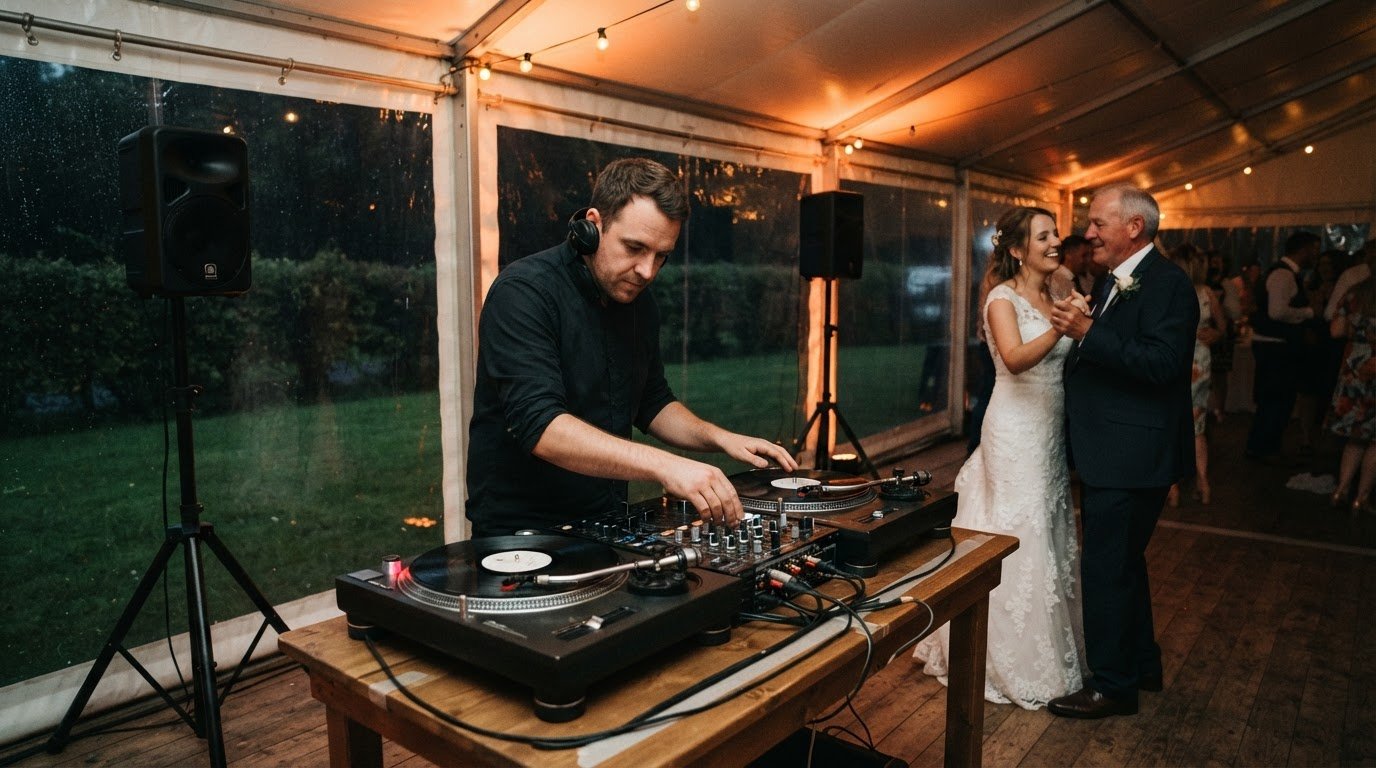
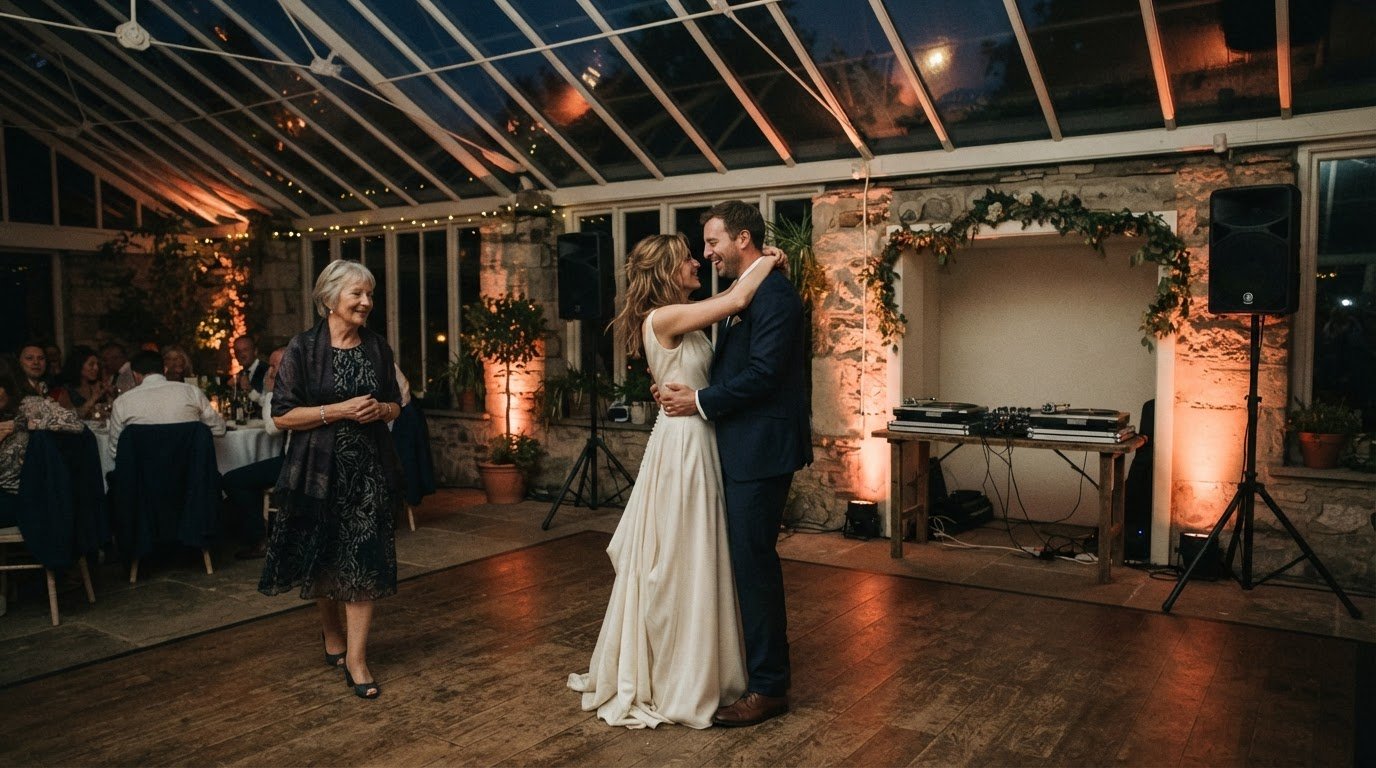
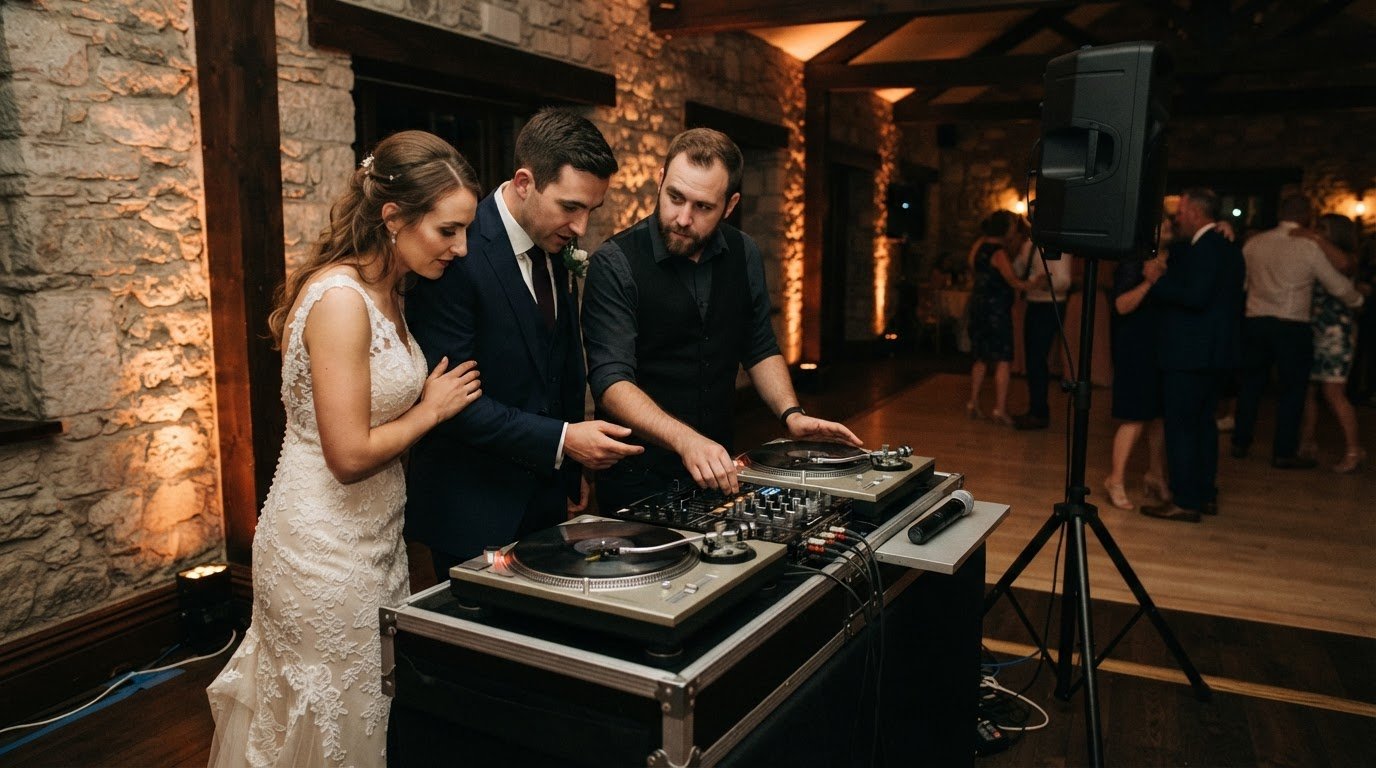
Stevie Dee Wedding DJ can take wedding entertainment and hosting decisions off your planning list. If choosing music, ceremony support or reception hosting feels like another set of details to manage, consider the options that suit your day: a Full Night Wedding DJ, Destination Wedding DJ, Wedding Celebrant Service or Professional MC Service.
First, decide which part of the celebration needs support. You might want music to carry the evening, a celebrant for the ceremony or an MC to guide reception moments. Having a clear role in mind makes it easier to discuss how that element fits your priorities and the atmosphere you want. For a celebration abroad, a Destination Wedding DJ may suit your plans.
To talk through your wedding plans, contact Stevie Dee Wedding DJ.
Make space to enjoy what you’re planning
The best way to learn how to avoid wedding planning stress is to build a celebration that reflects the two of you, not an imagined standard of perfection. As you plan, keep returning to one useful question: will this choice make the day more meaningful or enjoyable? If not, you can let it go and save your energy for the moments you’ll remember most.
Support with the celebration itself can also ease decision-making. Stevie Dee Wedding DJ offers a Full Night Wedding DJ, Destination Wedding DJ and Wedding Celebrant Service to help shape the music and ceremony around your plans. Choose the support that suits your day, then focus on being present with the people you love.
Contact Stevie Dee Wedding DJ today to talk through your wedding plans. Your celebration can be personal, joyful and unmistakably yours.
Frequently Asked Questions
Is it even possible to avoid being stressed while planning a wedding?
You can keep wedding stress from dominating your engagement, even though some uncertainty is part of planning. Weather, delayed replies and changing circumstances aren’t always within your control. Decide in advance what you’ll do if a key detail changes, such as moving photographs indoors or adjusting the order of the reception. A simple response plan can make surprises feel more manageable.
How can I ensure my partner and I are on the same page during the planning process?
Agree on how you’ll make decisions before a disagreement comes up. For example, either partner might make routine choices, while both agree on changes that affect the guest experience or shared finances. Keep a brief record of decisions and the reasons behind them. If you revisit one, you’ll have the original context instead of relying on different memories of the conversation.
How can I handle family conflicts during wedding planning?
Discuss a disagreement privately rather than debating it in a family group chat or at a gathering. Describe the specific decision, explain what you’ve decided, then offer a practical alternative if there is one. For instance, if a relative wants a speech during dinner, you could discuss whether another point in the schedule would suit. If emotions rise, pause and return to the issue later.
How does one remain sane while being engaged?
Keep parts of your life separate from wedding planning. Continue a favourite hobby, catch up with friends or take a walk without discussing plans. These routines help your relationship stay broader than the event you’re organising. If stress starts affecting your sleep or daily life, tell someone you trust and consider seeking support from a mental health professional.
Is it okay if I don’t enjoy wedding planning?
Yes. Enjoying your engagement doesn’t mean you have to enjoy spreadsheets, supplier emails or every design decision. Notice which tasks drain you most, then decide whether you can simplify, share or delegate them. You can still take an active role in meaningful choices, such as writing your vows or choosing a ceremony reading, without loving every part of the process.
What are the first steps to plan a wedding without feeling overwhelmed?
Start by discussing the kind of day you both want, including the atmosphere and the people you hope to share it with. Write down practical limits, such as dates that work for close family or accessibility needs. Then gather the information needed for your next major decision. Don’t research every detail at once; focus on what needs to be decided first.
Comments